
Добро пожаловать на сайт лаборатории нанооптики метаматериалов!
Основным направлением деятельности группы является нанооптика различных типов наноструктур, включая метаматериалы. Сюда, прежде всего, относятся решения фундаментальных задач, связанных с возбуждением, усилением и динамикой плазмон-поляритонов в упорядоченных наноструктурах, а также в метаматериалах, т.е. в наноструктурах, чаще всего упорядоченных, обладающих конфигурационными резонансами, обусловленными особенностями структурирования материала.


 В журнале "Письма в ЖЭТФ" опубликована статья В.О. Бессонова, А.Д. Розанова и А.А. Федянина
 В журнале Nanomedicine: Nanotechnology, Biology, and Medicine опубликована статья А. Абалымова, М. Курочкина, С. Германа, А. Комлева, Е. Ваваева, Е. Любина, А. Федянина, Д. Горина и М. Новоселовой
  В журнале Biomaterials Advances опубликована статья О. Гусляковой, М. Курочкина, Р. Бармина, Е. Прихожденко, Т. Естифеевой, П. Рудаковской, О. Синдеевой, В. Галушки, Е. Ваваева, А. Комлева, Е. Любина, А. Федянина, К.К. Дея и Д. Горина
  В журнале Advanced Optical Materials опубликована статья Д. Обыденнова, Д. Шилкина, Д. Гулькина, Е. Любина, Д. Жигунова, В. Бессонова и А. Федянина
 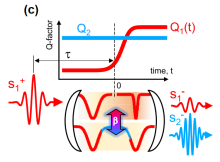 В журнале Nanophotonics опубликована статья П. Франческини, А. Тоньяцци, А. Черняк, А. Мусорина, А. Чино, А. Федянина. и К. де Анджелиса
  Статья И. Балашова, А. Чежегова, А. Чижова, А. Грунина, К. Анохина и А. Федянина
 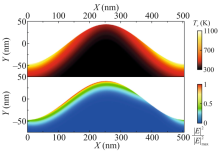 В журнале "Письма в ЖЭТФ" опубликована статья